Proper storage of batteries is crucial for safety and longevity. According to the Battery Association, improper storage can reduce battery life by up to 30%. Understanding how to properly store batteries when not in use can prevent hazards like leaks and explosions.
Expert Mark Patterson emphasizes, "Batteries should be stored in a cool, dry place, away from metal objects." His insights highlight the importance of organizing batteries correctly to maintain not only their health but also your safety. With the rise of portable electronics, ensuring optimal storage practices is becoming increasingly critical.
Many consumers are unaware of the risks associated with poor battery storage. Batteries exposed to high temperatures can swell and leak. Regularly checking storage conditions is vital. Neglecting proper storage may cost you more than just battery replacements. It's essential to prioritize safety in every aspect of battery use.
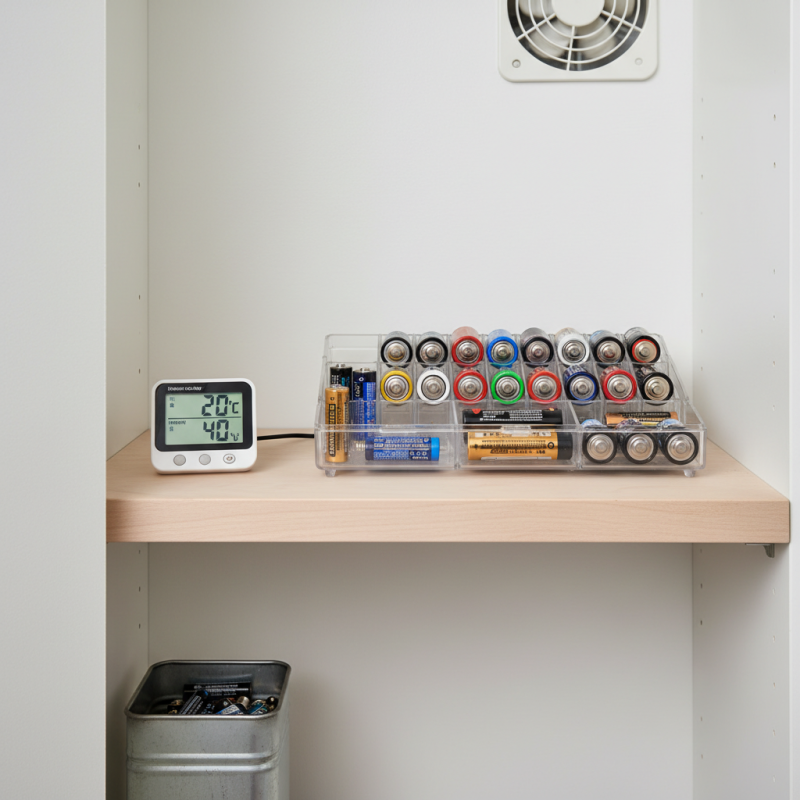
Understanding Different Battery Types and Their Storage Needs
When it comes to battery storage, understanding different types is crucial.
Alkaline batteries are common in households. These batteries can last for years if stored in a cool, dry place. However, moisture can lead to leakage. Store them upright and avoid contact with metal objects.
Lithium-ion batteries, often found in electronics, require special care. They should be kept partially charged, ideally around 40%. Extreme temperatures shorten their lifespan. Avoid charging them immediately after heavy use; let them cool down. It’s easy to forget these details, but neglecting them can be costly.
Lead-acid batteries are prevalent in vehicles. Store them in a well-ventilated area, away from direct sunlight. Regular checks are vital to prevent sulfation. A little attention can extend their life significantly. Every battery type has unique needs. Paying attention to these details ensures safe and efficient storage.
Choosing the Right Storage Environment for Batteries
Choosing the right storage environment for batteries is crucial. Keeping batteries in a cool, dry place can significantly extend their lifespan. Ideally, the temperature should range between 15°C and 25°C. Avoid locations that could get too hot or too cold. Basements and attics may not always provide stable conditions.
Humidity is another factor to consider. A high-humidity environment can cause corrosion on battery terminals, reducing efficiency. Aim for a storage space with low humidity. Using desiccant packets can help absorb excess moisture. Properly sealing the batteries in a container can also guard against humidity.
Do take note of battery rotation. Regularly check and use batteries that you have stored for long periods. This helps you avoid the hassle of dealing with dead batteries. Remember that even in the right environment, batteries can lose charge over time. Reflections on your storage practices can lead to improvements. Consider labeling the storage date for better tracking.
How to Properly Store Batteries When Not in Use - Choosing the Right Storage Environment for Batteries
| Battery Type |
Ideal Storage Temperature (°C) |
Humidity Level (%) |
Recommended Storage Duration |
Special Notes |
| Alkaline |
0 to 20 |
< 50 |
Up to 10 years |
Store in original packaging |
| Lithium-ion |
15 to 25 |
30 to 50 |
1 to 2 years |
Charge to about 40% before storage |
| Nickel-Cadmium (NiCd) |
0 to 20 |
< 50 |
2 to 5 years |
Avoid full discharge |
| Nickel-Metal Hydride (NiMH) |
0 to 20 |
30 to 50 |
3 to 5 years |
Charge before long-term storage |
Best Practices for Organizing and Labeling Stored Batteries
Storing batteries properly can extend their lifespan and maintain safety. One of the best practices for organizing batteries is to use clearly labeled containers.
Classify them by type: alkaline, lithium, or rechargeable. This approach prevents confusion and accidental mixing.
Label each container with the date of purchase. This helps in tracking their age. Remember, batteries lose charge over time, even when stored.
Avoid providing a one-size-fits-all solution; different batteries have different storage needs. Some may need cool, dry places, while others require more humidity.
Understand the specific requirements for the batteries you own.
It’s essential to check stored batteries regularly. Look for signs of leakage or corrosion.
Remove any that appear damaged immediately. Regular check-ups not only promote safety but also help you realize the effectiveness of your storage method.
Reflect on your organization system; is it working well? Make adjustments as needed. A neat setup not only looks good but also prevents mishaps.
Safety Precautions When Storing Batteries Long-Term
When storing batteries for the long term, safety should be your primary concern. Begin by keeping batteries at room temperature. Extreme heat or cold can degrade battery performance. A cool, dry place is ideal. Avoid storing them in humid areas, such as basements, where moisture can cause leaks.
Organize batteries in a sturdy, non-conductive container. This prevents accidental short-circuits. Make sure the terminals do not touch each other or any metal objects. Clear labeling can also help. Include the purchase date so you know when to check their condition.
Always inspect batteries for any signs of damage before storage. Puffed-up or leaking batteries should be disposed of properly. If you notice cracks, it’s time to let them go. Every battery has an expiration date. Ignoring this can lead to safety hazards. Remember, even seemingly harmless batteries can become a risk if not stored correctly. Proper care makes a huge difference.
Signs of Battery Degradation and Proper Disposal Methods
Batteries can degrade over time, even when not in use. Recognizing signs of battery degradation is essential for effective storage. Common indicators include swelling, leakage, and reduced performance. According to industry reports, a significant number of batteries are disposed of improperly, contributing to environmental issues. Proper disposal methods include recycling, which helps prevent harmful chemicals from entering landfills.
When storing batteries, keep them in a cool, dry place. Extreme temperatures can accelerate degradation. Ensure terminals are covered to prevent short-circuiting. Using a battery storage case can also provide protection against physical damage.
Regularly inspect stored batteries. Look for any signs of corrosion or unusual wear. An average lifespan for many batteries is about 2 to 3 years, so keeping track of usage is important. Dispose of batteries responsibly when degradation is evident. Local recycling programs often accept batteries, ensuring they are handled safely.
FAQS
: The ideal temperature for storing batteries is between 15°C and 25°C.
High humidity can cause corrosion on terminals, leading to reduced battery efficiency.
Use desiccant packets to absorb moisture and seal batteries in a container.
Yes, regularly check batteries to avoid dealing with dead ones later.
Signs include swelling, leakage, and reduced performance.
Dispose of any damaged batteries properly, especially if they are leaking.
Use a sturdy, non-conductive container to avoid accidental short-circuits.
Most batteries last about 2 to 3 years, so track their usage.
Ignoring the expiration can lead to safety hazards, including leaks.
Use local recycling programs to ensure batteries are disposed of safely.
Conclusion
When considering how to properly store batteries when not in use, it’s essential to understand the different types of batteries and their specific storage needs. For instance, nickel-metal hydride batteries may require less stringent conditions compared to lithium-ion batteries, which should be kept in a cool, dry environment. Organizing and labeling batteries effectively can help prevent confusion and ensure that you're using the right type for your devices.
Additionally, implementing safety precautions is crucial for long-term storage—this includes avoiding contact with metal objects and ensuring batteries are not fully discharged before storage. Be aware of signs of battery degradation, such as leaks or swelling, and follow proper disposal methods to mitigate environmental impact. By adhering to these guidelines, you can ensure that your batteries remain functional and safe when you're ready to use them again.

 Sahnova Solar